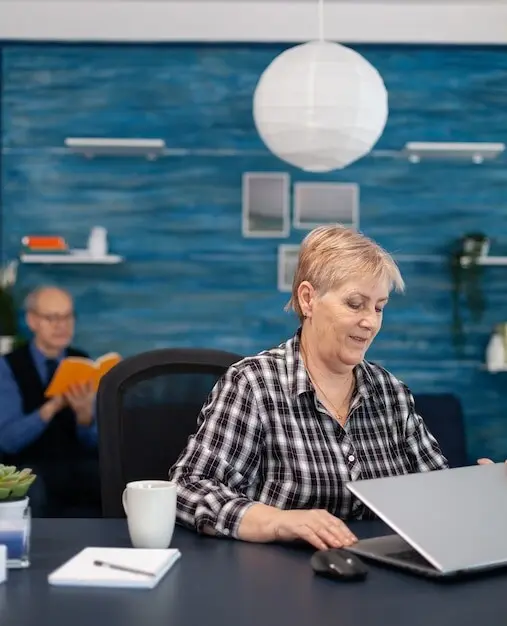
Bridging Generations, Building Futures

Today we explore service-learning partnerships pairing schools with senior centers for mutual mentoring, where students apply classroom knowledge through meaningful service while older adults share lived wisdom, patience, and perspective. These collaborations elevate academic achievement, social-emotional growth, and civic purpose, while bolstering seniors’ well-being, cognitive engagement, and belonging. Expect practical frameworks, heartfelt stories, planning tools, and reflection prompts to help you start or strengthen relationships that turn learning into community change. Join the conversation, share your experience, and invite colleagues to participate for lasting impact.

Why This Bridge Matters

Connecting classrooms with senior centers unlocks daily opportunities for mutual mentoring that textbooks alone cannot deliver. Students gain authentic audiences, real consequences, and compassionate accountability, while older adults rediscover purpose and agency by shaping young minds. Research links intergenerational engagement to improved academic outcomes, empathy, and civic identity in youth, alongside better mood, cognitive stimulation, and reduced loneliness for seniors. Together, they cultivate neighborhoods where wisdom travels both directions, challenges become projects, and learning becomes a shared public good instead of a private endeavor.

Student Growth That Sticks

When teenagers teach smartphone basics, map neighborhood accessibility, or co-create oral histories, they translate abstract standards into human outcomes that matter. Motivation rises, writing gains voice, and math gains relevance. Mentors at senior centers offer patient feedback, vivid context, and stories that anchor memory. The result is academic progress intertwined with empathy, increased attendance, and stronger confidence navigating unfamiliar conversations—precisely the durable skills graduates need to thrive beyond tests, semesters, and transcripts, in workplaces and communities demanding curiosity, clarity, and respect.

Purpose and Health for Older Adults

Elders bring reservoirs of skills from caregiving, trades, military service, arts, and civic leadership. When schools ask for help, they invite that experience back into circulation, countering stereotypes and isolation. Weekly sessions stimulate memory, sharpen attention, and renew energy, while offering control over scheduling and roles. Laughter returns. Names get remembered. Even small wins—like teaching one student how to greet a client professionally—accumulate into a powerful sense of usefulness linked with improved mood, resilience, and the dignified independence everyone deserves at any age.

A Stronger, Kinder Community Fabric

These partnerships shorten the distance between generations who share parks, buses, and stories but rarely structured time. Conflicts soften when people work side by side on visible improvements like accessibility maps, community gardens, or digital resource guides. Parents notice, local businesses pitch in, and civic agencies become collaborators rather than distant offices. The shared results—safer crossings, clearer signage, or better clinic information—turn abstract civic ideals into habits. Over time, trust compounds, making the community more responsive to crises and more joyful in everyday routines.

Models That Work Across Calendars

Schools and senior centers keep different rhythms, so flexible models matter. Some partnerships run weekly tutoring embedded in advisory periods, others schedule intensive project sprints during intersessions, while a few host co-learning studios that rotate topics. Each structure balances transportation, health needs, and staffing realities. The key is predictable touchpoints, clear roles, and cycles of reflection that connect service to curriculum. Pilots start small, document wins, then scale with careful logistics, letting relationships deepen without overburdening already stretched educators or senior center coordinators.

Curriculum, Reflection, and Assessment

Service must advance academic learning while honoring community priorities. Map standards to authentic tasks—argument writing through advocacy letters, statistics through survey design, or biology through wellness workshops. Build frequent reflection that moves from description to analysis to action, using prompts capturing feelings, evidence, and next steps. Assess both process and product: collaboration, empathy, accuracy, and usefulness. Invite senior partners to co-create rubrics and provide narrative feedback. This alignment ensures rigor without sacrificing humanity, turning outcomes into shared growth rather than one-sided scorekeeping or performative gestures.

Aligning Standards Without Losing Soul

Start with your required standards, then translate them into community-centered performances. If students must analyze complex texts, let those texts be intake forms or policy memos seniors encounter. If argumentative writing is expected, draft persuasive letters addressing transit changes affecting elder mobility. Anchor grammar and structure in real audiences and deadlines. Students meet expectations while seniors see concrete improvements. This purposeful alignment preserves academic integrity and invites pride, because every comma and statistic now serves someone they know by name rather than abstract grading requirements.

Reflection That Deepens Empathy

Reflection is not just a closing ritual; it is the engine that transforms activity into meaning. Mix quick writes, photo essays, voice memos, and paired interviews capturing evolving perspectives. Prompt students and elders to record surprises, frustrations, and questions about power, access, and design. Revisit entries before launching new cycles to notice growth. Celebrate changes in language—more precise, kinder, braver—and connect them to better decisions during planning. When reflection is regular, honest, and shared, trust grows, and complicated issues become workable because people feel truly heard.

Assessment That Honors Reciprocity

Use rubrics that measure accuracy, clarity, usability, and teamwork while honoring dignity and shared ownership. Combine teacher scoring with elder commentary, peer review, and self-assessment. Include evidence of iteration—drafts, feedback notes, and version histories, not only polished products. Track impact with simple metrics like attendance changes, skill checklists, or follow-up calls confirming usefulness. Most importantly, give credit both ways: certificates for elders, presentations highlighting their expertise, and student transcripts noting leadership roles. Fair assessment strengthens motivation, transparency, and the joy of building something that lasts.

Clear Agreements and Shared Roles

Draft a simple memorandum clarifying vision, participant expectations, data privacy, photography permissions, safety procedures, and conflict resolution steps. Name point people on both sides and schedule regular check-ins with short agendas. Keep contact lists updated, celebrate small wins, and archive lessons learned in a shared folder. Documented clarity reduces burnout and prevents misunderstandings, especially across different organizational cultures. With roles visible and responsibilities balanced, everyone knows how to onboard newcomers quickly, adapt to calendar disruptions, and keep the partnership welcoming, accountable, and aligned when challenges inevitably arise.

Recruitment, Orientation, and Support

Recruit elders through existing clubs, faith groups, and newsletters, emphasizing flexible roles and meaningful impact. Invite students with varied strengths, not only top performers. Provide orientation covering communication norms, confidentiality, accessibility etiquette, and trauma-informed practices. Offer coaching, debrief circles, and ready-to-print toolkits that simplify each session. Recognize contributions with thank-you notes, badges, or shared spotlights. When people feel prepared and appreciated, attendance stabilizes and word-of-mouth grows, creating a healthy pipeline of mentors and learners who feel safe experimenting, improving, and celebrating together across generations.

Safety, Accessibility, and Inclusion

Plan for mobility, sensory needs, and cognitive differences from the start. Choose accessible rooms, arrange seating with clear sightlines, and provide large-print materials and assistive listening devices. Build time buffers for transit delays and energy dips. Use plain language, visual agendas, and color-coded materials. Train students to offer help respectfully and ask first. Protect privacy during storytelling and photos. Anticipate allergies when sharing food. These practical details communicate respect, reduce anxiety, and make participation possible for more people, turning good intentions into equitable, dependable, and joyful practice.

Math Through Market Memories

A culinary arts class partnered with elders who ran small groceries decades ago. Students learned unit pricing, shrinkage, and break-even points by analyzing real ledgers and reconstructing menus affordable on fixed incomes. Elders recounted supplier negotiations and holiday rush strategies, while teenagers introduced spreadsheets and barcode apps. Together they produced a community guide for budget-friendly, nutritious shopping. Grades rose, but more importantly, families reported using the guide weekly. The class discovered math’s humanity; the elders saw their lifetime of work honored with practical, ongoing neighborhood impact.

Tech Buddies, Real Confidence

A digital literacy club matched ninth graders with seniors tackling telehealth portals, transit apps, and scam avoidance. The pairs co-wrote step-by-step cards using screenshots, plain language, and bold icons. Elders practiced until independent, then taught others during open labs. Students learned troubleshooting patience, accessibility design, and ethical persuasion. Scam reports dropped locally, clinic check-ins sped up, and intergenerational friendships formed around inside jokes and weekly playlists. Surveys showed students felt more career-ready, while elders felt safer online. Both groups left sessions smiling, competent, and eager for more.

Voices Archived, Policy Informed

A history class recorded oral histories about housing transitions and bus route changes, then coded transcripts to identify patterns affecting seniors today. With librarian support, they built a public archive and briefed city staff with respectful, data-backed recommendations. Elders shaped the narrative, correcting assumptions and highlighting practical fixes like benches, lights, and timing windows. Students learned source evaluation, consent ethics, and concise policy writing. Months later, a pilot seating project launched near clinics. The archive continues to grow, reminding everyone that stories can steer budgets and sidewalks.

Your First Steps and Next Moves

Starting can feel daunting, but momentum arrives with one invitation and one clear win. Begin by listening at a nearby senior center, naming shared goals, and planning a short, measurable collaboration. Document everything, celebrate publicly, and iterate honestly. As confidence grows, expand roles, diversify projects, and welcome new partners like libraries or health agencies. Keep a living playbook so future students and volunteers step in smoothly. Subscribe, comment with your needs, and tell us what resources would help you launch or sustain the next courageous, intergenerational leap.
Zentorinolivo
Privacy Overview

This website uses cookies so that we can provide you with the best user experience possible. Cookie information is stored in your browser and performs functions such as recognising you when you return to our website and helping our team to understand which sections of the website you find most interesting and useful.