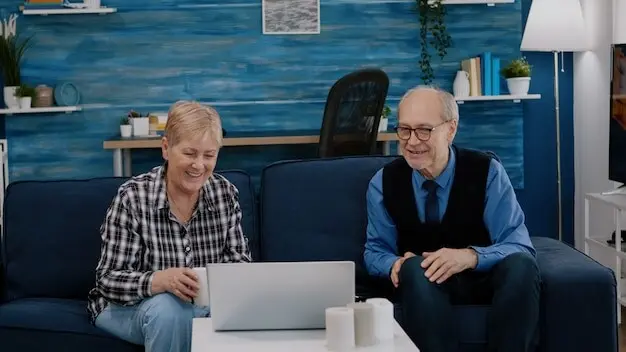
Stories That Bridge Generations: Students, Seniors, and the Power of Media Labs

Join us inside oral history and media labs where students teach tech and seniors share life lessons, transforming unfamiliar devices into bridges of trust. Expect hands-on coaching, respectful storytelling, and moving recordings that honor experience, spark empathy, and invite you to listen, comment, volunteer, and help archive voices that deserve to be heard beyond a single classroom or semester.

Designing Welcoming Spaces for Shared Learning

Accessibility First

Begin with lighting that flatters faces and aids reading, microphones with obvious on/off indicators, and tablets configured with enlarged fonts and simplified home screens. Offer noise-reducing headphones, comfortable pacing, and frequent breaks. When tools respect bodies and senses, confidence grows and conversations unfold with less fear.

Trust and Consent

Use plain-language consent forms, read aloud together, highlighting choices about anonymity, distribution, and withdrawals without penalty. Share sample clips that illustrate respectful edits. Invite questions about ownership and future use. Transparency strengthens relationships and prevents regret, allowing storytellers to speak freely and control how their voice travels.

A Ritual to Begin

Begin each session by passing an object that invites memory, perhaps a postcard or worn tool, while everyone states names, pronouns, and one hope. This gentle ritual lowers barriers, signals care, and centers attention on people, not gadgets, preparing the room for meaningful collaboration.

Student Coaches Turn Curiosity into Confidence

Position students as empathetic coaches who learn as they teach, pairing procedural guidance with curiosity about lived experience. Short, goal-focused mini-lessons reduce overwhelm, while open dialogue surfaces insights only elders carry. Shared laughter over ‘wrong’ buttons dissolves nerves and turns troubleshooting into friendship and discovery.

Crafting Conversations That Matter

Conversations thrive when prompts are open, timelines flexible, and silence respected. Prepare gentle arcs that invite memory, then follow detours generously. A single photo can anchor decades of experience. Listening for images, smells, and textures enriches recordings and honors the full sensory truth of remembrance.

From Raw Tape to Living Archive

Clean Capture, Calm Minds

Coach mic distance using hand spans, record brief test questions, and monitor levels with peak lights or meters. Closing doors, silencing HVAC, and pocketing jangling keys save hours later. A small checklist near the kit reassures beginners and dignifies everyone’s time.

Editing with Respect

Coach mic distance using hand spans, record brief test questions, and monitor levels with peak lights or meters. Closing doors, silencing HVAC, and pocketing jangling keys save hours later. A small checklist near the kit reassures beginners and dignifies everyone’s time.

Metadata, Rights, and Longevity

Coach mic distance using hand spans, record brief test questions, and monitor levels with peak lights or meters. Closing doors, silencing HVAC, and pocketing jangling keys save hours later. A small checklist near the kit reassures beginners and dignifies everyone’s time.

Sharing Voices with Community Impact

Sharing brings the work to life. Pair podcasts with pop-up exhibits in libraries, partner with community radio for broadcast, and screen mini-documentaries at senior centers. Create captioned snippets for social media that credit narrators prominently. Track invitations, letters, and policy changes alongside listens or downloads.

Teaching, Credit, and Reflection

Academic structures can support this work without diluting its humanity. Build courses that value preparation, relationship-building, ethical decision-making, and public impact alongside technical proficiency. Reflections, peer feedback, and community partner input balance grades. Invite readers to subscribe, share experiences, or propose partnerships that deepen learning beyond campus.

Rubrics that Value Humanity

Score listening presence, clarity of consent documentation, quality of contextual research, and responsiveness to narrator feedback. Weight collaboration and care as highly as waveform precision. Such rubrics communicate priorities and help students internalize professional ethics that extend far beyond a single project’s deadline.

Reflective Journals and Audio Letters

Invite weekly notes about surprises, tensions, and breakthroughs, plus occasional audio letters recorded to future selves. Reflection consolidates technique and names growth openly. These artifacts also guide instructors and partners, documenting process learning no gradebook cell could otherwise recognize or reward.

Crossing Disciplines, Expanding Reach

Collaborate with history, public health, journalism, music, and design programs so stories illuminate work across campuses. Joint exhibitions and co-taught studios multiply audiences and resources. Interdisciplinary credit keeps momentum strong while students encounter diverse methodologies and seniors meet new listeners who truly care.
Zentorinolivo
Privacy Overview

This website uses cookies so that we can provide you with the best user experience possible. Cookie information is stored in your browser and performs functions such as recognising you when you return to our website and helping our team to understand which sections of the website you find most interesting and useful.